 hello@adventureoutloud.com
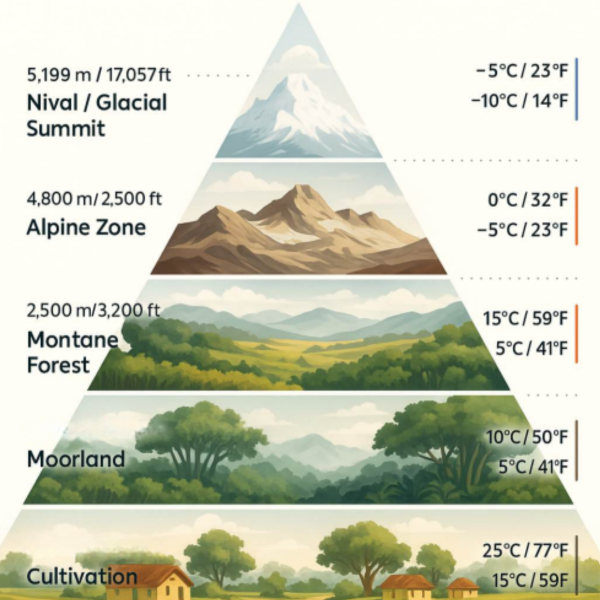
Mount Kenya's five distinct climate zones create a dramatic transformation through your trek or climb. Over just a few days, you'll experience a rapid shift from equatorial conditions to near-arctic environments, complete with decreasing vegetation, dropping temperatures, and changing atmospheric pressure. This means you need to be prepared with the right gear to help you be comfortable and enjoy your trek.
Kenya, located on the equator, experiences relatively stable temperatures year-round with moderate seasonal changes. June to August is typically the coolest period, while December to March is warmer and drier—ideal for climbing. While Mount Kenya can be climbed year-round, we recommend avoiding the long rains in April and May.
This guide covers essential equipment you'll need, plus optional items to enhance your experience.
Packing list for Mount Kenya
When booking with your trekking company, ask which items on this gear list are available to rent rather than purchase. Depending on your situation, renting equipment can be a far more economical way to get everything you need for a Mount Kenya trek.
Clothing
- Waterproof Jacket (breathable, with hood)
- Insulated Jacket (synthetic or down)
- 2 Soft Jackets (fleece or soft-shell)
- 3 Long Sleeve Shirts (moisture-wicking)
- Short Sleeve Shirt (moisture-wicking)
- Waterproof Pants (breathable, side zipper recommended)
- 2 Hiking Pants
- Fleece Pants
- Shorts (optional)
- 2 Long Underwear Layers (moisture-wicking)
- 2 Sports Bras (women)
Headwear
- Brimmed Hat for sun protection
- Knit Hat(Beanie, Toque) for warmth
- Balaclava or Buff (optional for face coverage)
Handwear, Footwear & Accessories
- 4 Pairs of Socks (wool or synthetic)
- Hiking boots (waterproof)
- Gaiters (waterproof, optional)
- Sunglasses or Goggles
- 2 Water Bottles (Nalgene with wide mouth or similar, 32 oz./1 litre)
- Water Bladder (Camelbak type, 3 liters)
- Stuff Sacks or Dry Bags for organizing gear
Equipment
- Four-Season Sleeping Bag (warm)
- Trekking Poles (collapsible, highly recommended)
- 2 Headlamps with extra batteries
- Duffel Bag (50-90L) for porters to carry
- Daypack (30-35L) for personal gear
Toiletries & Personal Items
- Prescription medications
- Sunscreen
- Lip Balm
- Insect Repellent
- First Aid Kit
- Hand Sanitizer
- Toilet Paper
- Wet Wipes (recommended)
- Snacks (lightweight, high-calorie, optional)
- Electrolyte Powder or Tablets (optional)
- Camera with extra batteries
- Face Towel
Documents
- Resident Card (if you're a local)
- Pocket Money (in small bills)
- Insurance Documents
How to prepare for trekking Mt Kenya
Lenana peak on Mount Kenya isn't a technical climb, but you'll be hiking 6-8 hours a day at altitude on steep & uneven terrain. Being physically fit makes the experience far more enjoyable and could determine if you get to the summit of Lenana peak.
Start Training 8-12 Weeks Out
Give yourself enough time to build endurance without rushing. If you're already active, 8 weeks is sufficient. If you're starting from scratch, aim for 12 weeks.
Focus on Cardio
Your cardiovascular system needs to work efficiently in thin air. The best training activities are:
- Hiking with elevation gain – This is the most relevant preparation. Start with 2-3 hour hikes and build up to 6-8 hours. Add a weighted backpack (8-10 kg) as you progress. Hills are ideal, but stairs work if you're in flat terrain.
- Running or jogging – 30-45 minute sessions, 3-4 times per week at a comfortable, conversational pace.
- Cycling or swimming – Good low-impact alternatives that build endurance.
Aim for 4-5 cardio sessions weekly, including one longer effort on weekends.
Train with Your Gear
Wear your trekking boots on training hikes during the final month to break them in. Practice hiking with a weighted pack so your body adjusts to carrying a load.
Do Back-to-Back Training Days
Schedule consecutive hiking days on some weekends to prepare your muscles for multi-day trekking without rest days.
Taper Before You Go
Reduce your training intensity by half in the final two weeks. You want to arrive fresh, not exhausted from last-minute workouts.
The fitter you are, the more you'll enjoy the trek. Good preparation means less struggle with the physical demands and more energy to appreciate the mountain.
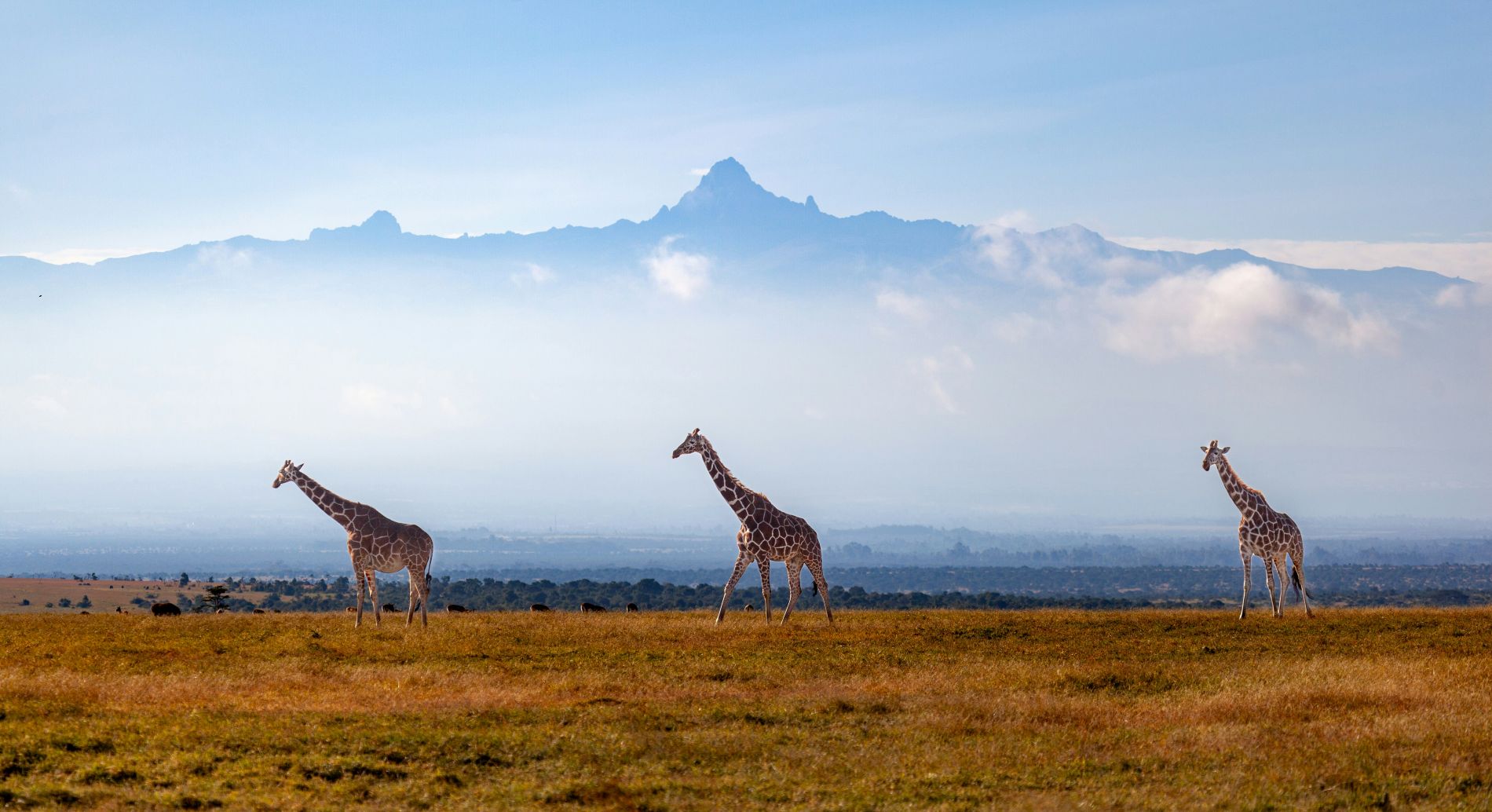
Climbing Mount Kenya is more than just a trek — it’s a rare opportunity to experience one of Africa’s most iconic peaks and its untouched beauty. As you ascend through rich forests, moorlands, and alpine zones to the glacier-capped summit, you'll witness landscapes that have inspired generations of explorers, naturalists, and local communities alike. From the ancient Kikuyu legends surrounding the mountain to the awe it instilled in early adventurers, Mount Kenya remains a powerful symbol of nature’s majesty
Enquire about Mt Kenya Treks
About The Author:
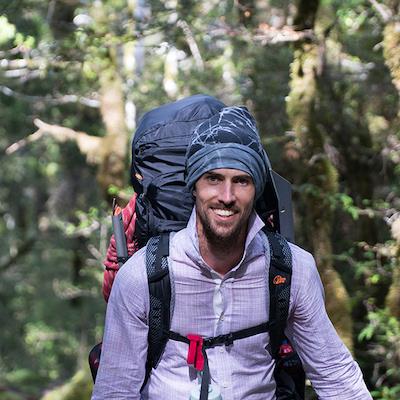
Nate Taiaroa
Founder & Head Guide
Nate is an adventurer, keynote speaker and responsible tourism expert with more than 10 years experience, travelling, living & volunteering in Africa. He is the Founder of Adventure Out Loud and is most passionate about making education accessible to every child in Africa.